Psoriasis: Causes, Symptoms, Types, Triggers & Treatment Options
Psoriasis is a long-term autoimmune skin disorder characterized by rapid skin cell growth, inflammation, and recurring flare-ups. While it cannot spread from person to person, it can significantly impact physical and emotional well-being. Early diagnosis, appropriate medical care, healthy lifestyle changes, stress management, and individualized treatment can help control symptoms and reduce recurrences.
Dr. Sireesha Kaila (M.D Ayurveda)
7/14/20263 min read
What is Psoriasis?
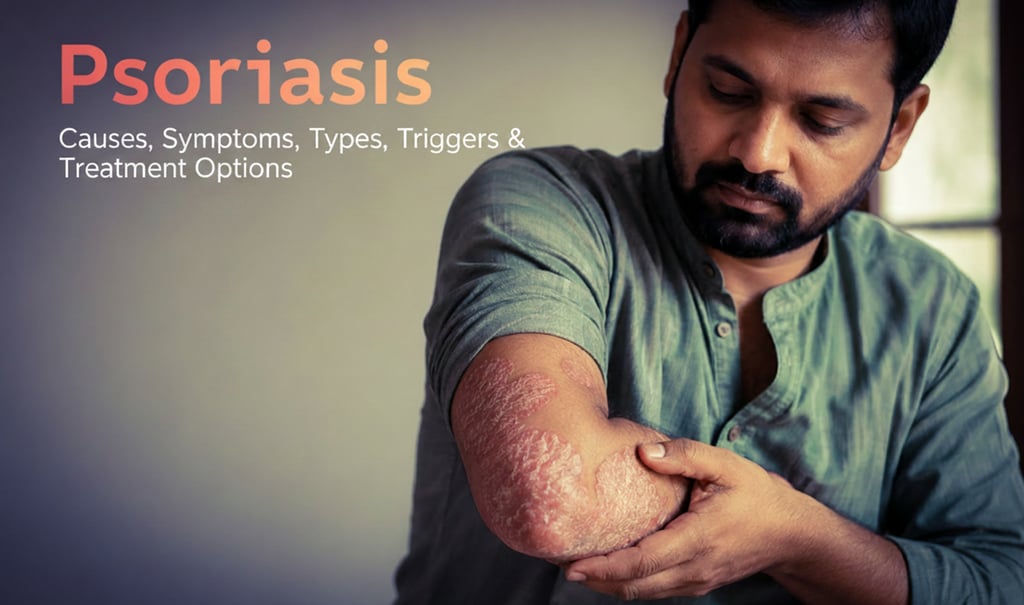
Psoriasis is a chronic, immune-mediated (autoimmune) inflammatory skin disease in which the immune system mistakenly speeds up the growth of skin cells. Normally, skin cells renew every 28–30 days, but in psoriasis this process can occur in just 3–7 days. As a result, skin cells accumulate on the surface, forming thick, red, raised plaques covered with silvery-white scales.
Psoriasis is not contagious. It cannot spread through touch, sharing clothes, or physical contact. Although there is currently no permanent cure, early diagnosis and appropriate treatment can help control symptoms, reduce flare-ups, and improve quality of life.
Quick Facts About Psoriasis
Chronic autoimmune skin disease
Not contagious
Affects children and adults
Characterized by red, scaly skin patches
Can involve the skin, scalp, nails, and joints
Symptoms often occur in cycles of flare-ups and remission
What Causes Psoriasis?
Psoriasis develops due to a combination of:
Immune system dysfunction
Genetic predisposition (family history)
Environmental triggers
The immune system mistakenly attacks healthy skin cells, causing rapid skin cell production and chronic inflammation.
Common Symptoms of Psoriasis
Symptoms vary from person to person and may include:
Thick red patches covered with silvery scales
Dry, cracked skin that may bleed
Persistent itching
Burning sensation
Skin pain or tenderness
Thickened or pitted nails
Scalp flaking and scaling
Joint pain or stiffness (Psoriatic Arthritis)
Types of Psoriasis
1. Plaque Psoriasis
The most common type, accounting for nearly 90% of cases.
Symptoms
Raised red plaques
Thick silvery scales
Usually affects elbows, knees, scalp, and lower back
2. Scalp Psoriasis
Occurs on the scalp and may extend beyond the hairline.
Symptoms
Thick dandruff-like flakes
Intense itching
Red inflamed patches
Temporary hair shedding due to scratching
3. Guttate Psoriasis
Often develops after bacterial infections such as strep throat.
Symptoms
Small drop-shaped lesions
Common in children and young adults
4. Inverse Psoriasis
Occurs in skin folds.
Common Areas
Armpits
Groin
Under the breasts
Buttocks
5. Pustular Psoriasis
A less common form characterized by white pus-filled blisters surrounded by inflamed skin.
6. Erythrodermic Psoriasis
A rare but severe form that causes widespread redness, peeling skin, fever, chills, and dehydration. It is considered a medical emergency and requires immediate medical care.
Common Psoriasis Triggers
Although triggers differ between individuals, flare-ups may occur due to:
Emotional stress
Skin injuries or cuts
Severe sunburn
Infections (especially strep throat)
Smoking
Alcohol consumption
Obesity
Cold, dry weather
Certain medications such as lithium and beta-blockers
Avoiding personal triggers can help reduce flare-ups.
Who Is at Risk?
The risk of developing psoriasis is higher in people who have:
Family history of psoriasis
Autoimmune disorders
Obesity
Frequent infections
High stress levels
Smoking or excessive alcohol consumption
How is Psoriasis Diagnosed?
Diagnosis usually includes:
Detailed medical history
Physical examination of the skin
Nail examination
Scalp assessment
Skin biopsy (only when necessary)
Psoriasis Treatment Options
Although psoriasis has no permanent cure, several treatment options help control symptoms.
1. Topical Treatments
Corticosteroid creams
Vitamin D analogues
Coal tar preparations
Salicylic acid
Moisturizers
2. Phototherapy
Controlled exposure to ultraviolet (UV) light helps slow excessive skin cell growth.
3. Oral Medications
For moderate to severe psoriasis, doctors may prescribe systemic medications that reduce inflammation and regulate immune activity.
4. Biologic Therapy
Biologics specifically target immune pathways responsible for psoriasis and are commonly used in severe cases under specialist supervision.
Psoriasis and Ayurveda
According to Ayurveda, psoriasis is often correlated with Ekakushtha, one of the Kushtha Rogas. Ayurvedic management focuses on restoring balance through:
Personalized dietary guidance
Lifestyle modifications
Panchakarma (when clinically appropriate)
Herbal formulations prescribed by qualified Ayurvedic physicians
Stress management
Improving digestion and metabolic balance (Agni)
Treatment plans are individualized based on the patient's constitution (Prakriti), symptoms, and overall health.
Frequently Asked Questions (FAQs)
Is psoriasis contagious?
No. Psoriasis does not spread through touching, hugging, sharing clothes, or swimming pools.
Is psoriasis an autoimmune disease?
Yes. It is an immune-mediated inflammatory condition where the immune system mistakenly attacks healthy skin cells.
Can stress trigger psoriasis?
Yes. Emotional stress is one of the most common triggers for psoriasis flare-ups.
Can psoriasis affect the scalp?
Yes. Scalp psoriasis is common and may cause thick scaling, itching, and temporary hair shedding.
Can psoriasis affect joints?
Yes. Some people develop Psoriatic Arthritis, which causes joint pain, stiffness, and swelling.
Can psoriasis be permanently cured?
There is currently no scientifically proven permanent cure. However, appropriate treatment, trigger management, and regular follow-up can help achieve long periods of remission and significantly improve quality of life.